Hipertensión
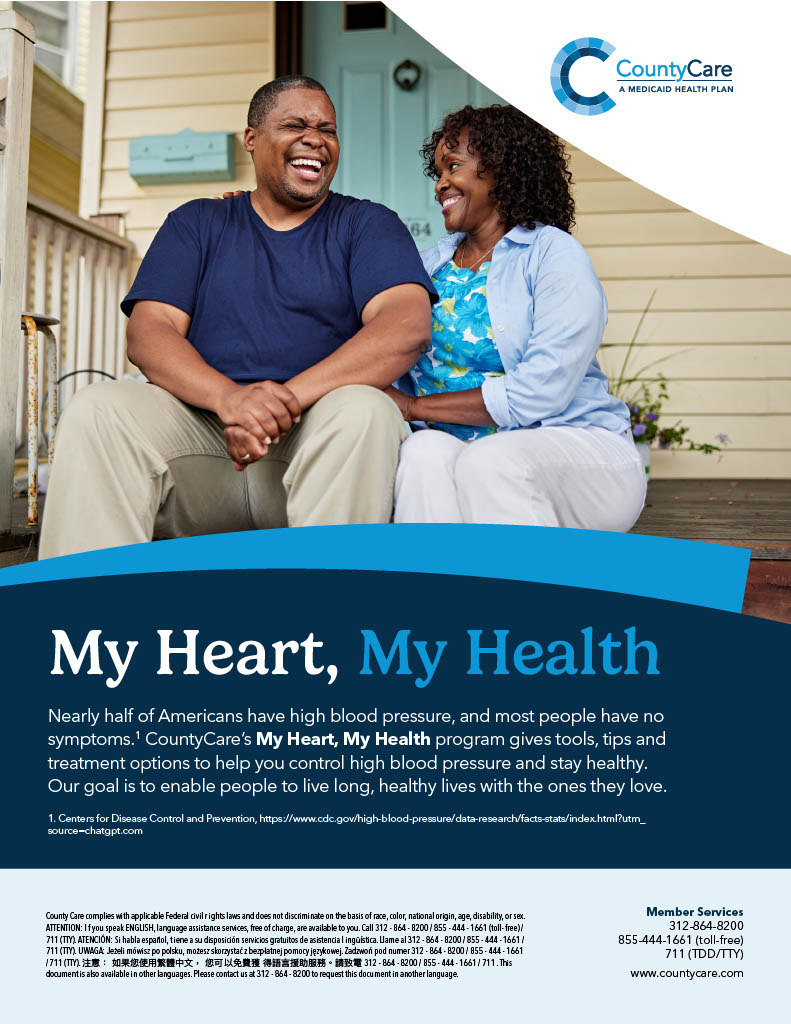
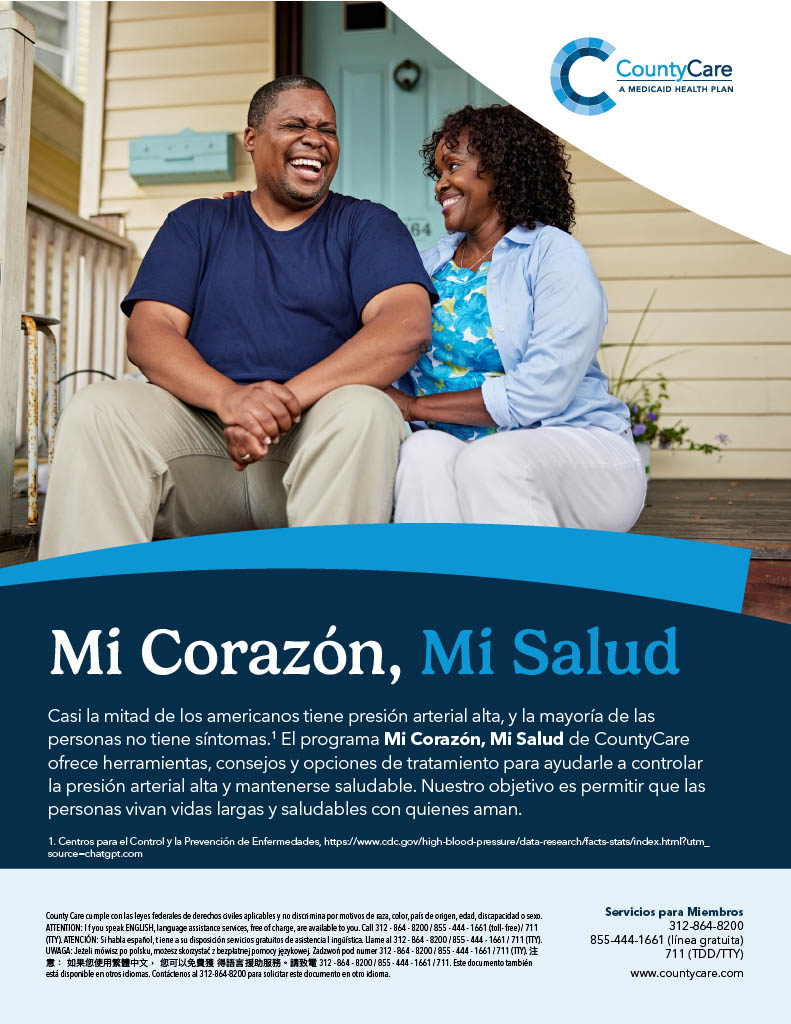
Mi Corazón, Mi Salud
Casi la mitad de los estadounidenses tiene hipertensión y y la mayoría no presenta síntomas.Este importante programa ofrece herramientas, consejos y opciones de tratamiento para ayudarlo a controlar la hipertensión y mantenerse saludable. El objetivo es ayudar a las personas a vivir vidas largas y saludables junto a sus seres queridos.
El programa Mi Corazón, Mi Salud lo ayuda con lo siguiente:
1.
Aprender pasos sencillos para bajar la presión arterial si tiene hipertensión.
2.
Comprender cómo prevenir la hipertensión.
3.
Saber qué doctores y profesionales de la salud pueden ayudarlo si tiene hipertensión.
My Heart, My Health
¿Qué es la presión arterial?
La presión arterial es la medida de la fuerza con la que la sangre empuja contra las paredes de las arterias.
- Las arterias son tubos musculares pequeños que transportan sangre rica en oxígeno desde el corazón hacia el resto del cuerpo.
- Las venas llevan la sangre con poco oxígeno de regreso al corazón y a los pulmones.

¿Qué es la hipertensión?
¿Por qué es mala la presión arterial alta?
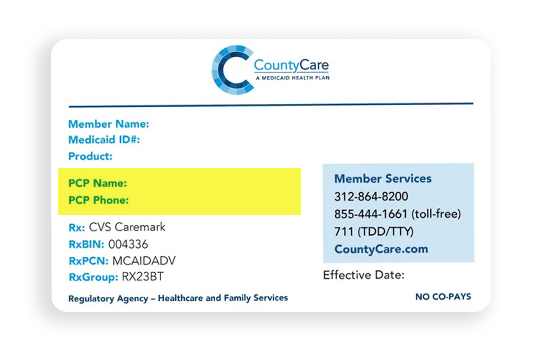
Por eso es importante consultar al proveedor de cuidado médico primario (PCP) una vez al año para un control y que le midan la presión arterial. Encontrará su proveedor de cuidado médico primario(PCP) en su tarjeta de identificación de miembro.
¿Cómo se mide la presión arterial?
Para medir la presión arterial, el doctor o el personal de enfermería colocará un brazalete especial alrededor de la parte superior del brazo. El brazalete se infla para comprimir suavemente el brazo y detener el flujo de sangre por un momento. Luego, el brazalete libera el aire lentamente. Esto permite medir cómo la sangre circula por las arterias.
A veces, el doctor puede pedirle que regrese otro día para volver a medirle la presión arterial. Esto se debe a que el estrés, el dolor u otros factores temporales pueden elevarla por encima de lo normal.
La prueba es segura y no tiene efectos secundarios. El brazalete puede sentirse un poco ajustado, pero solo dura unos segundos.
¿Qué causa la hipertensión?
La hipertensión no tiene una causa específica.
Se produce por varios factores. Algunos factores pueden modificarse y otros no pueden controlarse. Es posible que necesite hacer más de un cambio para bajar la presión arterial. La buena noticia: puede empezar a bajarla HOY mismo. Las decisiones que toma cada día pueden ayudar a reducir su riesgo.
Factores que SÍ puede cambiar:

Alimentación – consuma menos sal y más frutas, verduras y cereales integrales. La sal puede aumentar la presión arterial.

Ejercicio – mover el cuerpo todos los días puede ayudarle a bajar de peso y reducir la presión arterial.

Estrés – la respiración profunda, hacer pausas o encontrar otras formas saludables de relajarse puede ayudar a disminuirla.

Sueño – duerma lo suficiente y procure que sea de buena calidad cada noche.

Medicamentos – hable con su doctor sobre los medicamentos y sus efectos secundarios. Algunos pueden dificultar el control de la presión arterial.
Tabaquismo – deje de fumar. Fumar puede elevar la presión arterial y dañar las arterias.

Alcohol y cafeína – limite o evite el consumo de alcohol y cafeína. Tomar demasiado puede aumentar la presión arterial.

Consumo de drogas – evite drogas como la cocaína, la metanfetamina, las “sales de baño” u otros estimulantes. Pueden elevar bruscamente la presión arterial.

Enfermedades – consulte a su PCP al menos una vez al año para tratar afecciones como la obesidad, la diabetes, el embarazo o la enfermedad renal, que pueden aumentar la presión arterial.
Factores que NO puede cambiar:

Edad – el riesgo de hipertensión aumenta con la edad, ya que los vasos sanguíneos se vuelven más gruesos y rígidos.

Sexo – es más frecuente en hombres antes de los 65 años y en mujeres después de los 65 años.

Genética y antecedentes familiares – puede ser hereditaria. Informe a su doctor si en su familia hay antecedentes de hipertensión.
¿Qué tratamientos están disponibles para quienes tienen hipertensión?
Si tiene hipertensión, visite al doctor al menos una vez al año. Su doctor puede recomendarle:
Comer de forma más saludable, con más frutas, verduras y cereales integrales.
Hacer ejercicio con mayor frecuencia.
Bajar de peso.
Limitar el consumo del alcohol.
Dejar de fumar.
Reducir el estrés.
Taking medication
- Comer de forma más saludable, con más frutas, verduras y cereales integrales.
- Hacer ejercicio con mayor frecuencia.
- Bajar de peso.
- Limitar el consumo del alcohol.
- Dejar de fumar.
- Reducir el estrés.
- Tomar medicación.
Importante Nunca empiece ni deje de tomar medicamentos para la presión arterial sin consultar antes con el doctor. Los medicamentos solo funcionan cuando los toma.
Beneficios de CountyCare para miembros con hipertensión
CountyCare ofrece beneficios especiales para los miembros con hipertensión. Estos beneficios pueden ayudarlo a controlar la presión arterial y mejorar la salud.
Weight Watchers
Perder incluso 3 kilos puede ayudar a bajar la presión arterial. CountyCare ofrece vales gratuitos para Weight Watchers a los miembros mayores de 13 años. Estos vales le permiten asistir a las reuniones sin costo alguno. Estos vales no cubren el costo de las comidas de Weight Watchers.
Cómo conseguir los vales: Llame a Servicios para Miembros al 312- 864- 8200. CountyCare se los enviará por correo a su domicilio.
Tensiómetros
Puede obtener un tensiómetro gratuito para usar en casa. Pídale a su doctor que solicite un tensiómetro a un proveedor de la red de CountyCare.
Gane recompensas por consultar al doctor y surtir sus medicamentos
- Recompensa por visita de atención primaria: Reciba $25 en su tarjeta Visa de recompensas cada año cuando consulte a su doctor de atención primaria para su chequeo anual.
- Recompensa por resurtido de medicamentos: Si tiene 18 años o más y surte su medicamento para la hipertensión todos los meses durante seis meses consecutivos, recibirá $50 en su tarjeta Visa de recompensas.
Medicamentos sin costo
Su médico podría recetarle medicamentos para ayudar a controlar su presión arterial alta. No hay costos por ningún medicamento mientras cuente con el seguro CountyCare.
Ayuda para dejar de fumar
Dejar de fumar puede disminuir la presión arterial. CountyCare se enorgullece de asociarse con la Asociación Americana del Pulmón para ofrecer ayuda gratuita para dejar de fumar.
- Llame a la línea de ayuda para dejar de fumar Tobacco QuitLine al 1-800-LUNGUSA (1-800-586-4872)
- Horario: Lunes a viernes: 7 a. m. – 9 p. m., hora central, sábado a domingo: 9 a. m. – 5 p. m., hora central
- Puede dejar un mensaje fuera del horario de atención para que le devuelvan la llamada.
Coordinación de cuidados
Todos los miembros de CountyCare con hipertensión pueden recibir servicios de coordinación de cuidado. Contar con un coordinador de cuidado significa que tiene a alguien de su lado que lo ayuda a mantenerse saludable. El coordinador de cuidado puede:
- Ayudarlo a encontrar un doctor.
- Organizar el transporte a sus citas.
- Conectarlo con recursos de alimentación y vivienda.
Para hablar con un El coordinador de cuidado, llame a Servicios para Miembros al 312-864-8200, 855-444-1661 (toll free), 711 (TDD/TTY)) .
También puede completar el formulario de Coordinación de Cuidados y un El coordinador de cuidado se comunicará con usted directamente.
Puede optar por no recibir coordinación de cuidado en cualquier momento llamando al 312-864-8200.
Su equipo de atención:
Si tiene hipertensión, puede consultar a distintos proveedores de salud médica.
A continuación, se explica quiénes son y qué hacen:
| Cardiólogo | Especialista en el corazón que trata problemas del corazón y los vasos sanguíneos. |
| Enfermero | Un enfermero lo atiende durante las visitas, le realiza las pruebas que le prescribe el doctor y le enseña sobre su salud. |
| Enfermero practicante (NP) | Un NP es una enfermero con capacitación que puede diagnosticar y tratar problemas de salud. El proveedor de cuidado médico primario puede ser un NP. |
| Auxiliar de enfermería (NA) o auxiliar médico (MA) | Un NA o MA ayuda con la atención básica, como controlar su presión arterial y otros signos vitales. |
| Farmacéuticos | Un farmacéutico puede responder preguntas sobre los medicamentos y decirle si alguno de ellos interactúa con los alimentos u otros medicamentos. |
| Asistente médico/doctor asociado (PA) | Un PA capacitado para tratar su salud en general. El proveedor de cuidado médico primario puede ser un PA. |
| Proveedor de cuidado médico primario (PCP) | Es el principal proveedor de salud médica (puede ser doctor de familia, internista general, PA o NP). Ellos hacen los chequeos de rutina, tratan enfermedades comunes y lo derivan a especialistas si es necesario. |
| Dietista nutricionista registrado (RDN) | Un dietista es un experto en alimentación y nutrición. Puede ayudarlo a realizar cambios en la alimentación. |
Utilice la herramienta Busque un proveedor de CountyCare para encontrar el proveedor adecuado para usted.
Recursos
¿Quiere aprender más sobre la hipertensión?
Puede visitar en línea estas organizaciones confiables:
Asociación Americana del Corazón (AHA)
Es la organización más antigua y grande del país dedicada a combatir las enfermedades cardíacas y los accidentes cerebrovasculares.
Centros para el control y la prevención de enfermedades (CDC)
Los CDC son la principal agencia de salud pública del país que estudia y difunde formas de prevenir y controlar las enfermedades.
Instituto Nacional del Corazón, los Pulmones y la Sangre (NHLBI)
NHLBI is a part of the National Institutes El NHLBI forma parte de los Institutos Nacionales de Salud (NIH). Los NIH ofrecen investigación, formación y educación para prevenir y tratar trastornos cardíacos, pulmonares y sanguíneos.
Target: BP
Target: BP es una iniciativa nacional creada por la Asociación Americana del Corazón y la Asociación Médica Americana que ayuda a las personas y a los doctores a controlar la hipertensión arterial.