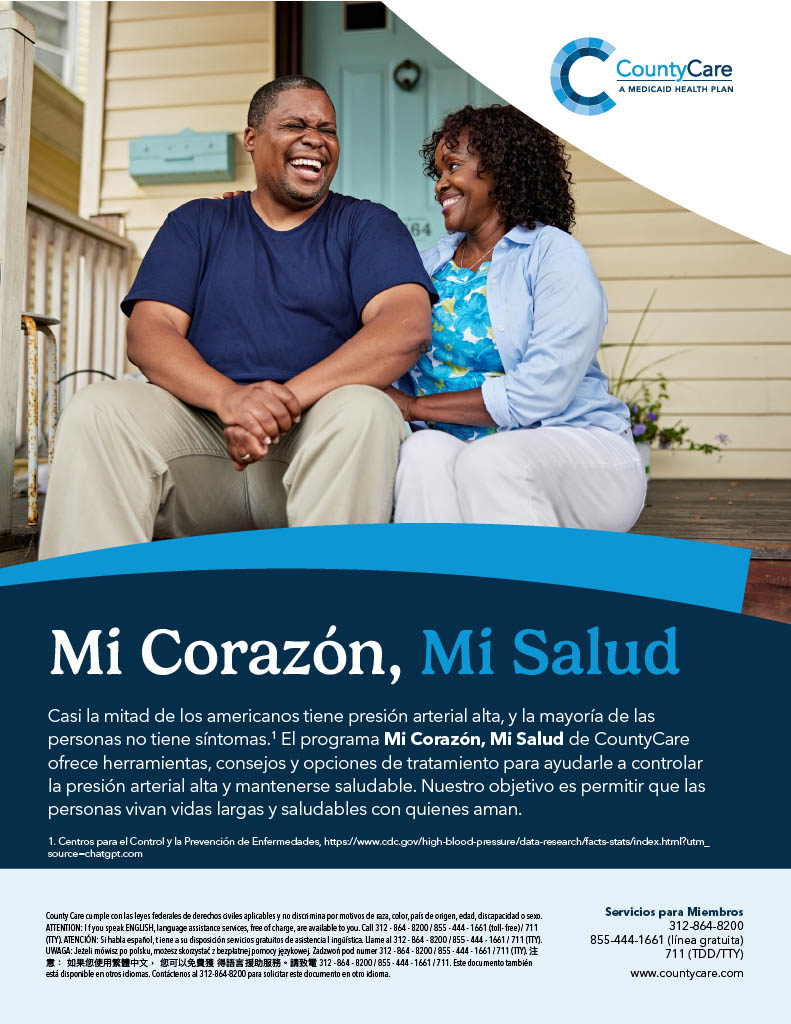
Nearly half of Americans have high blood pressure, and most people have no symptoms. This important program gives tools, tips and treatment options to help you control high blood pressure and stay healthy. The goal is to help people live long, healthy lives with their loved ones.
The My Heart, My Health program helps you:
1.
Learn simple steps to lower your blood pressure if you have high blood pressure
2.
Understand ways to prevent high blood pressure
3.
Know which doctors and health care workers can help if you have high blood pressure
My Heart, My Health
What is blood pressure?
Blood pressure is the measure of how hard your blood pushes against the walls of your arteries.
Arteries are small tubes of muscle that carry oxygen-rich blood away from the heart to the rest of your body.
Veins carry blood low in oxygen back to the heart and lungs.
What is high blood pressure?
High blood pressure (also called “hypertension”) is when the force of your blood pushing against the walls of your blood vessels is too high.
Why is high blood pressure bad?
High blood pressure is called the “silent killer” because it usually does not show any signs. High blood pressure can harm your heart, kidneys and brain before you know anything is wrong. It can lead to serious problems, such as a heart attack or stroke.
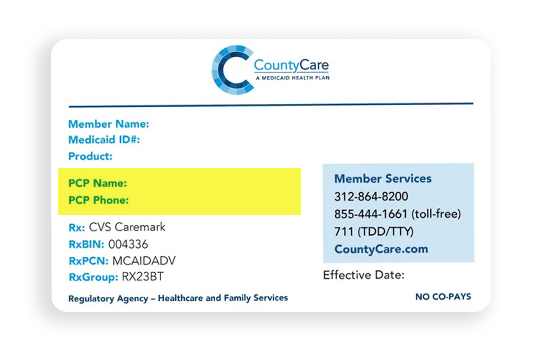
That’s why it’s important to see your primary care practitioner (PCP) for a checkup once a year to have your blood pressure checked. You can find your PCP on your member ID card.
How is blood pressure measured?
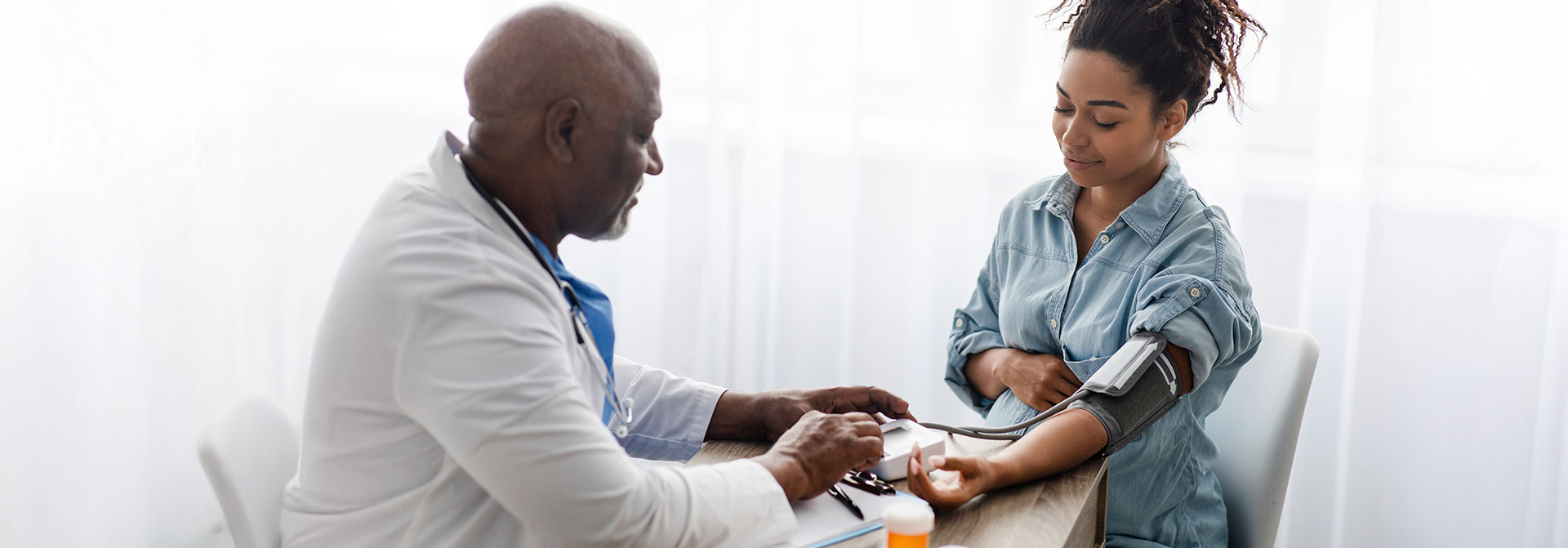
To check your blood pressure, your doctor or nurse will wrap a special cuff around your upper arm. The cuff is inflated to gently squeeze your arm and stop the blood flow for a moment. Then, the cuff slowly lets the air out. This measures how your blood pumps through your arteries.
Sometimes, your doctor may want you to come back another day to re-check your blood pressure. This is because stress, pain or other temporary factors can make your blood pressure higher than normal.
The test is safe and has no side effects. The cuff may feel a little tight, but this only lasts a few seconds.
What causes high blood pressure?
High blood pressure does not have one specific cause.
It happens because of several factors. Some factors you can change, and others you can’t control. You may need to make more than one change to lower your blood pressure. The good news: you can start lowering your blood pressure TODAY. The choices you make every day can help lower your risk.
Things you CAN change:
Diet – Eat less salt and more fruits, vegetables and whole grains. Salt can increase blood pressure.
Exercise – Moving your body every day can help you lose weight and lower blood pressure.
Stress – Deep breathing, taking breaks or finding other healthy ways to relax can help lower your blood pressure.
Sleep – Get enough good-quality sleep each night.
Medications – Talk with your doctor about medications and their side effects. Some medications can make it harder to control your blood pressure.
Smoking – Quit smoking. Smoking can make blood pressure spike and damage your arteries.
Alcohol and caffeine – Limit or avoid alcohol and caffeine. Drinking too much alcohol or caffeine can increase your blood pressure.
Drug use – Avoid using drugs like cocaine, methamphetamine, “bath salts” or other stimulants. These can sharply raise your blood pressure.
Health conditions – See your PCP at least once a year to treat conditions like obesity, diabetes, pregnancy or kidney disease that can raise blood pressure.
Things you CAN’T change:
Age – High blood pressure risk goes up as you age because blood vessels grow thicker and stiffer with age.
Sex – High blood pressure is more common in men before age 65 and more common in women after age 65.
Genetics/family history – High blood pressure can run in families. Tell your doctor if your family has a history of high blood pressure.
What treatments are available for those with high blood pressure?
If you have high blood pressure, visit your doctor at least once every year. Your doctor may recommend:
Eating healthier foods like more fruits, vegetables and whole grains
Exercising more often
Losing weight
Limiting alcohol
Quitting smoking
Reducing stress
Taking medication
Eating healthier foods like more fruits, vegetables and whole grains
Exercising more often
Losing weight
Limiting alcohol
Quitting smoking
Reducing stress
Taking medicine
Important:Never start or stop blood pressure medicine without talking to your doctor. The medicine only works while you take it.
CountyCare Benefits for Members with High Blood Pressure
CountyCare offers special benefits for members with high blood pressure. These benefits can help you take control of your blood pressure and improve your health.
Weight Watchers
Losing even five pounds can help lower blood pressure. CountyCare offers free Weight Watcher vouchers for members ages 13 and older. These vouchers let you attend meetings at no cost. These vouchers do not cover the cost of Weight Watchers meals.
How to get vouchers: Call Member Services at 312-864-8200. CountyCare will mail them to your home.
Blood Pressure Monitors
You can get a free blood pressure monitor to use at home. Ask your doctor to request a blood pressure monitor from a CountyCare in-network provider.
Earn Rewards for Seeing Your Doctor and Filling Your Medication
Primary Care Visit award: Get $25 on your Visa Rewards card each year (effective 3/1/26) when you see your primary care doctor for your yearly check-up.
Medication Refill Reward: If you are age 18 or older and fill your high blood pressure medication every month for six months in a row, you get $50 on your Visa Rewards card.
No Cost For Medications
Your doctor may prescribe medications to help with your high blood pressure. There are no costs for any medications while on CountyCare insurance.
Help to Quit Smoking
Quitting smoking can decrease your blood pressure. CountyCare is proud to partner with the American Lung Association to offer free help to quit.
Call the Tobacco QuitLine at 1-800-LUNGUSA (1-800-586-4872)
You can leave a message after hours to get a call back
Care Coordination
All CountyCare members with high blood pressure can get care coordination services. Having a care coordinator means you have someone on your side to help you stay healthy. Your care coordinator can
Help you find a doctor
Arrange rides to your appointments
Connect you to food and housing resources
To talk with a care coordinator, please call Member Services at 312-864-8200, 855-444-1661 (toll free), 711 (TDD/TTY)).
A PA is trained to treat your overall health. Your primary care provider may be a PA.
Primary care provider (PCP)
A PCP is your main health care provider (can be a family doctor, general internist, PA or NP). They do your yearly checkups, treat common illnesses and send you to specialists if needed.
NHLBI is a part of the National Institutes of Health (NIH). NIH provides research, training and education to prevent and treat heart, lung and blood disorders.
Target: BP is a national initiative created by the American Heart Association and American Medical Association that helps people and doctors control high blood pressure.
Clickhere to download the Hypertension: My Heart, My Health brochure.
Haga clic para descargar el folleto Hipertensión: Mi corazón, mi salud.
Stay safe in hot weather by drinking plenty of water, limiting time outdoors, staying in cool or shaded areas, taking breaks when working outside, wearing lightweight clothing, checking on relatives and neighbors (especially older adults) and never leaving children unattended in a parked vehicle.